
Understanding Payslips is important for every employee in the UK. A payslip shows how much you earn, what deductions are taken from your salary, and how your final take-home pay is calculated.
Many employees look at their payslip every month without fully understanding:
- PAYE tax deductions
- National Insurance contributions
- pension payments
- tax codes
- overtime calculations
Learning how to read a payslip properly helps you identify payroll mistakes, manage your finances better, and keep accurate employment records. If you need help recovering old payroll documents, Payslips Plus supports employees and businesses across the UK with replacement payroll records and income documentation.
Order your old payslips p60 here same day delivery
What Is a Payslip?
A payslip is an official payroll document issued by an employer every pay period.
It normally contains:
- employee details
- employer information
- gross salary
- deductions
- net pay
- tax information
- payment dates
UK employers are legally required to provide payslips to employees so they can clearly see how wages are calculated.
Payslips are commonly used for:
- mortgage applications
- tenancy checks
- proof of income
- tax filing
- employment verification
If you are applying for finance, this guide on using payslips for mortgage applications in the UK explains what lenders usually check on payroll records.
What Information Appears on a Payslip?
Although payslip formats vary between employers, most UK wage slips contain similar sections.
Employee Information
This usually includes:
- full name
- employee number
- payroll number
- National Insurance number
If you are unsure where to find your payroll number, this guide on how to find your payroll number explains where employers usually display it.
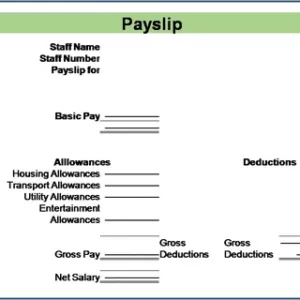
Gross Pay
Gross pay is the total amount earned before deductions are taken.
This may include:
- basic salary
- overtime
- bonuses
- commission
- holiday pay
Gross pay is not the amount employees receive in their bank account because deductions still need to be removed.
PAYE Tax Deductions
Most UK employees pay Income Tax through the PAYE system.
Your payslip may show:
- tax code
- taxable earnings
- PAYE deductions
- year-to-date tax
Understanding tax deductions is important because payroll mistakes can sometimes affect take-home pay. For official payroll tax guidance, employers and employees can review HMRC PAYE information.
National Insurance Contributions
National Insurance contributions help fund:
- state pensions
- NHS services
- statutory benefits
Your payslip will normally show:
- NI category
- NI deductions
- total contributions
National Insurance deductions depend on salary levels and employment status.
Pension Contributions
Many UK employers automatically enrol eligible employees into workplace pension schemes.
Your payslip may display:
- employee pension deductions
- employer pension contributions
- pension provider information
Checking pension deductions regularly helps ensure contributions are accurate.
Net Pay
Net pay is the final amount employees receive after all deductions have been removed.
This is often called:
- take-home pay
- final salary
- after-tax pay
Understanding net pay helps employees budget properly and monitor payroll accuracy.
Why Payslips Are Important
Payslips are more than simple salary records. They play an important role in financial and employment verification across the UK. For many employees, Understanding Payslips becomes especially important during mortgage applications, tax filing, and employment verification.
Employees often need payslips for:
- mortgage applications
- loan approvals
- rental agreements
- benefit claims
- tax records
They also help employees identify:
- incorrect tax deductions
- payroll errors
- missing pension payments
- unpaid overtime
If you lose payroll records, professionally recreated replacement payslips may help restore missing employment documentation.
What Happens If You Lose Your Payslips?
Many people lose old payroll documents after:
- changing jobs
- moving house
- switching email addresses
- losing paper records
Your first step should normally be contacting your employer or payroll department. Employers often keep payroll records for several years. If your previous employer no longer has your documents available, this guide on how long employers keep payslip records in the UK explains standard payroll retention periods.
Are Digital Payslips Accepted?
Yes. Digital payslips are widely accepted across the UK for:
- mortgages
- financial applications
- tenancy checks
- proof of employment
Many employers now use online payroll systems that allow employees to download payroll records securely from employee portals. Employees using online payroll systems may also find this guide on accessing Sage payslips online useful for managing digital payroll records.
Common Payslip Mistakes Employees Should Check
Employees should review payslips carefully every pay period.
Common payroll problems include:
- incorrect tax codes
- missing overtime
- pension deduction errors
- incorrect hours worked
- wrong NI deductions
Checking payroll information regularly can help resolve issues before they become bigger problems.
Need Help Recovering Payroll Records?
Payslips Plus supports customers across the UK with professionally formatted payroll documents using genuine employment information.
Customers commonly request:
- duplicate payslips
- replacement payroll records
- P60 copies
- proof of income documents
Visit Replacement Payslips UK Services if you need help recovering missing payroll records.
FAQs
Why is understanding payslips important?
Understanding payslips helps employees monitor salary payments, payroll deductions, and tax information accurately.
Are employers legally required to provide payslips?
Yes. UK employers must provide payslips to employees every pay period.
What should I do if my payslip contains mistakes?
Contact your employer or payroll department immediately to request corrections.
Can digital payslips be used as proof of income?
Yes. Most UK lenders and landlords accept digital payslips.
How long should I keep payslips?
Employees should keep payroll records for several years for tax and financial purposes.
Conclusion
Understanding Payslips helps employees take control of their payroll records, monitor deductions accurately, and avoid financial confusion. Whether you are checking tax deductions, preparing for a mortgage application, or managing employment records, understanding your payslip properly can help prevent payroll issues and improve financial awareness.