
A payslip does much more than show how much salary reaches your bank account each month. It explains how earnings are calculated, which deductions were taken, and how payroll records are managed throughout the tax year.
Properly Understanding Payslip information makes it easier to:
- verify salary accuracy
- track deductions
- identify payroll issues
- manage financial records
Many payroll problems are only discovered when someone applies for a mortgage, reviews tax records, or checks old salary history for financial verification.
Order your old payslips p60 here same day delivery
What Is a Payslip?
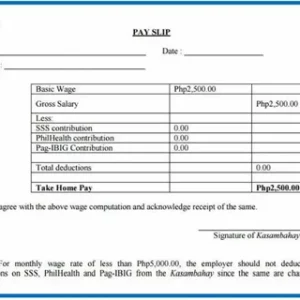
A payslip is an official salary statement issued by an employer during each pay period. It provides a detailed breakdown of earnings, deductions, and final take-home pay.
Most UK payslips include:
- gross salary
- PAYE tax
- National Insurance
- pension deductions
- bonuses or overtime
- net pay
Unlike yearly payroll summaries, a payslip focuses on a single payment period rather than the entire tax year. Anyone comparing monthly earnings against yearly tax records can better understand payroll calculations through annual salary summaries and tax documents.
Why Understanding Payslip Details Matters
A payslip helps confirm whether salary payments were processed correctly.
Incorrect payroll information can affect:
- tax calculations
- mortgage applications
- affordability checks
- pension contributions
- employment verification
Small payroll errors sometimes continue unnoticed for months because many people only check the final payment amount instead of reviewing the full payroll breakdown carefully. Understanding Payslip information properly also helps prevent confusion during mortgage applications, tax reviews, or employment checks where accurate salary records are required. Anyone confused by deductions or payroll adjustments can better understand salary changes through common payroll deduction explanations.
Main Parts of a Payslip
Although payroll layouts differ between employers, most salary statements contain the same core information.
Employee and Employer Details
This section usually contains:
- employee name
- payroll number
- employer information
- payment date
Larger businesses often organise salary records through payroll identification and reference systems to manage payroll more efficiently.
Gross Pay
Gross pay is the total salary earned before deductions are removed.
This may include:
- standard salary
- overtime
- commission
- bonuses
Financial providers frequently review gross earnings during mortgage and loan affordability checks.
Payroll Deductions
Deductions reduce the amount received after payroll processing.
Typical deductions include:
- Income Tax
- National Insurance
- pensions
- student loan repayments
Certain payroll terms can also appear confusing at first glance. People reviewing unfamiliar deduction labels sometimes check specific payroll deduction examples to understand unusual salary adjustments.
Net Pay
Net pay is the final amount transferred to your bank account after all deductions have been removed.
This is commonly called:
- take-home pay
- final salary
- post-tax income
Why Payroll Numbers and Tax Codes Are Important
Payroll systems rely heavily on accurate tax codes and payroll numbers.
Incorrect information can affect:
- yearly tax totals
- salary calculations
- pension records
- payroll reporting
Businesses managing larger payroll systems often depend on structured payroll tracking to reduce salary calculation errors. Anyone unsure about payroll references can learn how payroll numbers are used in salary systems to better understand payroll processing.
Digital Payslips and Online Payroll Access
Many UK businesses now provide digital payslips instead of paper salary statements.
Online payroll systems allow faster access to:
- payroll history
- previous payslips
- salary records
- tax documents
Digital payroll systems also reduce the risk of losing important salary records during financial applications or employment checks. As more companies move towards digital payroll systems, Understanding Payslip records online has become much easier compared to older paper-based payroll methods. Businesses moving towards paperless payroll often provide secure online salary access systems for easier payroll management and document retrieval.
Why Keeping Payslips Matters
Payslips are frequently requested during:
- mortgage applications
- rental agreements
- tax reviews
- car finance checks
- employment verification
Missing salary records often become a problem when lenders or employers ask for older payroll documentation unexpectedly. People organising long-term financial records usually review how long payroll documents should realistically be stored to avoid losing important salary history later. Properly Understanding Payslip records also makes it easier to retrieve accurate salary information when financial institutions request previous payroll documents.
Common Payroll Mistakes Found on Payslips
Some payroll issues are easier to miss than others.
Common examples include:
- incorrect overtime
- wrong tax codes
- duplicate deductions
- pension contribution errors
- missing bonuses
Reviewing payroll information regularly helps identify problems before they affect annual salary summaries or financial applications. For many people, Understanding Payslip deductions becomes much easier once they start reviewing payroll records more carefully instead of only checking final salary payments.
Why Businesses Prefer Digital Payroll Systems
Modern payroll systems help businesses:
- reduce paperwork
- improve payroll access
- organise salary records more efficiently
- reduce manual payroll errors
People needing urgent payroll documents sometimes use the Payslips Plus platform when salary records are required quickly for financial or employment purposes.
For official UK guidance about payslips, visit:
UK Government Payslip Guidance
Conclusion
Properly Understanding Payslip information helps people verify salary payments, understand payroll deductions, and manage financial records more confidently. Payslips are not simply monthly salary summaries. They are important payroll documents often used later for tax checks, mortgages, employment verification, and financial applications. As digital payroll systems continue replacing older paper-based methods, understanding salary statements has become even more important across the UK workforce.
FAQs
What is a payslip?
A payslip is a salary statement showing earnings, deductions, and final take-home pay.
Why are payslips important?
They help verify payroll accuracy, tax deductions, and salary history.
What is gross pay?
Gross pay is total earnings before deductions are removed.
What is net pay?
Net pay is the final salary amount received after deductions.
Are digital payslips accepted in the UK?
Yes. Digital payslips are widely accepted for financial and employment purposes.